

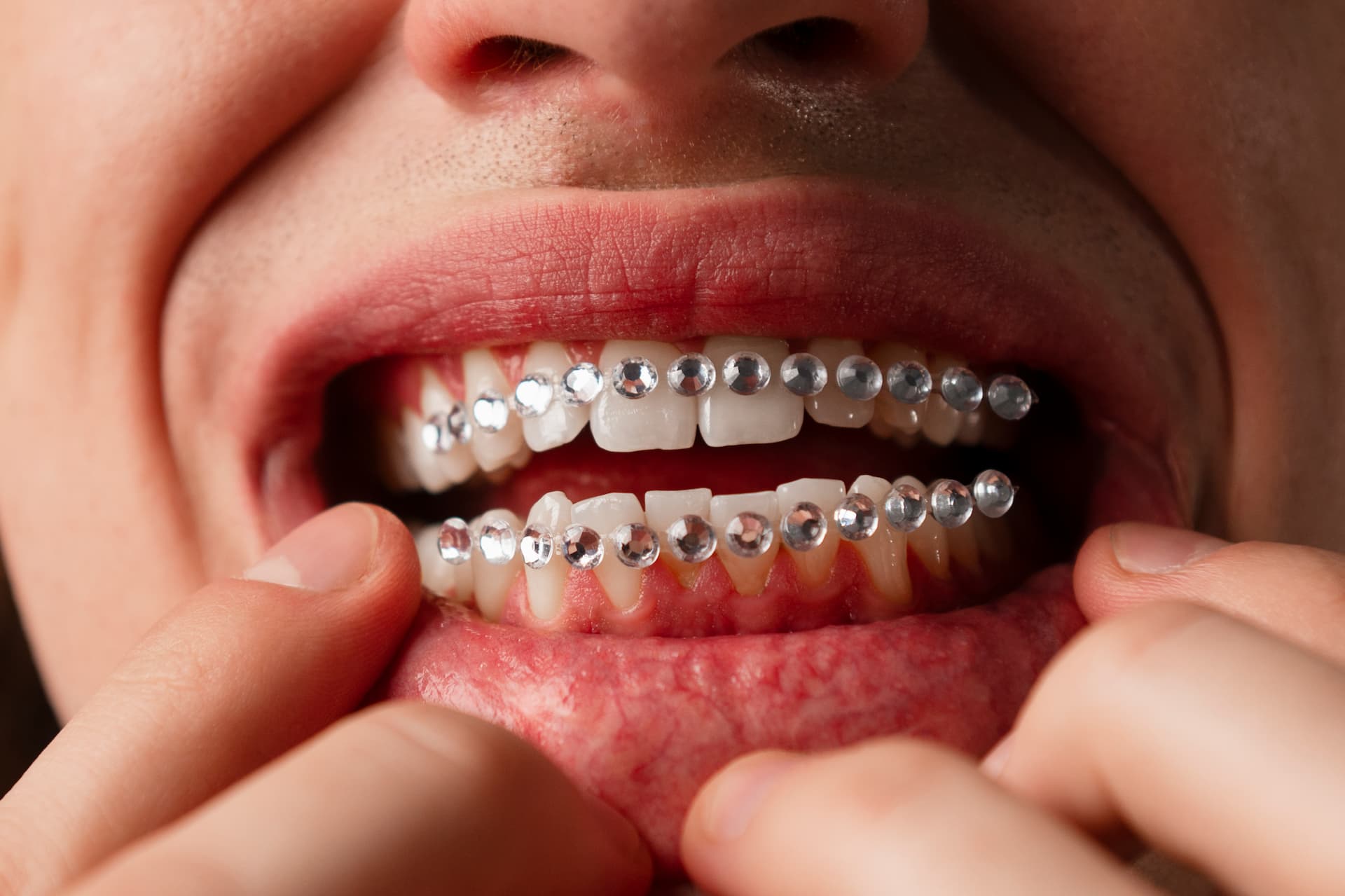
When Do Kids and Adults Need Dental Braces? Signs, Types, and Benefits
Common Signs That Kids and Adults May Need Dental Braces
Many children and adults show early warning signs that their teeth or jaws are not aligned properly. Noticing these changes early and consulting a Pediatric Dentist or Orthodontist can prevent bigger problems later.
Common signs your child may need dental braces include:
- Crooked, crowded, or overlapping teeth that are difficult to clean properly.
- Large gaps between teeth or teeth growing at odd angles.
- Early, late, or irregular loss of baby teeth, which can affect how permanent teeth erupt.
- Trouble biting or chewing food, or often accidentally biting the inside of the cheek, lips, or roof of the mouth.
- Thumb sucking, pacifier use beyond age 2, or tongue thrusting, which can push teeth and jaws out of position over time.
Adults often need dental braces for similar reasons but may also notice:
- Teeth that do not meet properly when the mouth is closed, such as overbite, underbite, or crossbite.
- Jaw pain, clicking sounds, or fatigue around the jaw while chewing.
- Difficulty flossing and brushing because teeth are too crowded or misaligned, increasing the risk of cavities and gum disease.
If you or your child show any of these signs, a consultation at Dr. Kammath’s Pediatric Dental Clinic can help determine whether dental braces are needed and when to begin treatment.
Ideal Age for Dental Braces: When Should Treatment Begin?
Children do not need to wait for all permanent teeth to erupt before being evaluated for dental braces. Many experts recommend that a child’s first orthodontic assessment happen by around age 7, when the dentist can spot emerging issues in jaw development and adult teeth alignment. In fact, early-age orthodontics can begin even at 6-7 years with targeted tools like the 2 by 4 appliance- a simple, fixed device that uses brackets on the upper six front teeth and a wire to
guide their position and bite. This approach corrects bite problems early, prevents more complex issues later, and supports healthy jaw growth without delaying full braces.
For many children, the ideal age to start dental braces is between 8 and 14 years, when the facial bones and jaw are still growing and easier to guide into better alignment. Minor single-tooth corrections, such as rotations or spacing issues, can often be addressed even earlier with quick, non-invasive interventions, clearing the way for optimal development. Early assessment allows the pediatric dentist to plan whether your child needs early interceptive treatment (such as expanders or the 2 by 4 appliance) or full braces later in the teen years.
Adults can also benefit from dental braces at almost any age as long as the teeth and gums are healthy. While treatment may take slightly longer for adults because jaw growth is complete, modern orthodontic techniques make it possible to correct long-standing alignment issues and improve both function and appearance.
Types of Dental Braces Available for Children and Adults
Various dental braces options exist, with the ideal one tailored to the patient’s age, specific dental issues, and daily habits. At Dr. Kammath’s Pediatric Dental Clinic, the Pediatric Dentist will recommend the most suitable option after a detailed examination.
Common types of dental braces include:
- Traditional metal braces: These use metal brackets and wires attached to the front of the teeth and are very effective for correcting a wide range of alignment and bite issues. It suits kids and adults due to their strength and effectiveness for complex cases.
- Ceramic or tooth-coloured braces: These work like metal braces but use tooth-coloured or clear brackets that blend with the teeth, making them less noticeable. It offers more aesthetic appeal than metal while maintaining similar effectiveness.
- Lingual braces: These braces are attached to the back (inner) surface of the teeth, so they are hidden from view when you smile. It is ideal for older teens and adults who want an invisible option from the outside.
- Clear aligners: These are transparent, removable trays that gradually move teeth into place and are popular among older teens and adults who prefer a discreet treatment option. It is perfect for responsible teens and adults because they are removable for easy eating and cleaning.
The team at Dr. Kammath’s Pediatric Dental Care in Trivandrum uses advanced orthodontic materials and technology to make dental braces as comfortable and efficient as possible for children and adults.
Benefits of Dental Braces for Kids and Adults
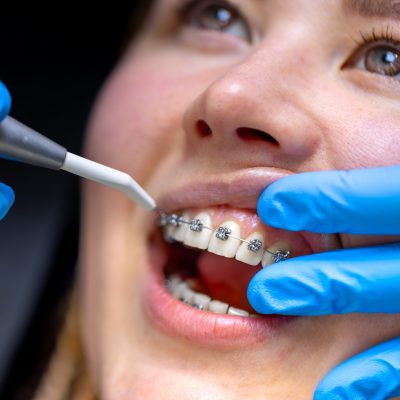
Dental braces provide benefits well beyond simply straightening teeth. Correcting alignment and bite issues can positively affect oral health, function, and confidence.
Key benefits of dental braces include:
- Improved alignment and bite: Braces help teeth fit together properly, reducing problems like overbite, underbite, and crossbite.
- Easier cleaning: Straighter teeth are easier to brush and floss, which lowers the risk of tooth decay, gum disease, and bad breath.
- Better chewing and speech: Properly aligned teeth and jaws can improve chewing efficiency and make it easier to pronounce certain sounds clearly.
- Reduced risk of tooth wear and jaw strain: When the bite is balanced, there is less abnormal pressure on individual teeth and jaw joints.
- Boosted confidence and self-esteem: Many children and adults feel more confident smiling and speaking after treatment with dental braces.
When these benefits are achieved during childhood or adolescence, they can support healthy teeth and gums well into adulthood. Adults who choose dental braces often report feeling more comfortable in social and professional situations after treatment.
What to Expect During Dental Braces Treatment and Care
Understanding the treatment journey helps children and adults feel more relaxed and prepared for dental braces. At Dr. Kammath’s Pediatric Dental Clinic, the team explains each step in a child-friendly way so families know what to expect.
The general process includes:
- Initial consultation and assessment: The pediatric dentist examines the teeth and jaws, takes X‑rays and photos, and may take digital scans or impressions to plan treatment.
- Treatment planning: A personalised plan is created, outlining the type of dental braces, estimated duration, and expected results.
- Placement of braces or aligners: Brackets are gently attached to the teeth and connected with wires, or the first set of clear aligner trays is given, with instructions on use.
- Regular adjustments: Children and adults return periodically so the dentist can adjust wires, change elastics, or provide the next set of aligners to continue moving the teeth.
- Retainers after treatment: Once braces come off, retainers help maintain the new tooth positions and keep the smile stable.
Good care during treatment is essential. Patients should:
- Brush carefully around brackets and wires at least twice daily and floss every day to prevent plaque buildup and staining.
- Avoid very hard, sticky, or chewy foods that can break brackets or bend wires, especially in children.
- Attend all follow-up appointments at Dr. Kammath’s Pediatric Dental Care so treatment stays on track and any concerns are managed early.
With proper care and guidance from a skilled pediatric dental team, dental braces can transform smiles for both kids and adults, supporting healthier teeth, better function, and renewed confidence.

